Punching Left
Over the last month, there's been a flurry of panic from self-styled moderates and centrists in the Democratic Party about the success of a few socialist candidates in party primaries.
Some of this grumbling has simply been the self-interested reaction of inert incumbents who are (rightly) worried that these political upstarts might be coming for their own jobs in Congress. But other prominent figures in the party have also gone out of their way to trash these leftists and assert that they have no place in the party's coalition. Rather than working alongside the left, these misguided moderates seem to believe the Democratic Party needs to distance themselves from them and denounce them.
Today, professional concern troll David Brooks confirmed that this is a horrible idea by embracing it in a piece for The Atlantic titled "Democrats Became Great By Fighting the Left."
But as The New York Times columnist Jamelle Bouie noted in a post on Bluesky, Brooks predictably has the political history completely backwards. "This is the complete opposite of true," he noted. "The most fruitful eras of the modern Democratic Party coincided with periods where the walls separating political radicals from the mainstream were way less solid."
And that's exactly right. As Bouie suggests in a follow-up, the New Deal era – the high-water mark for Democrats when it comes to both popularity at the polls and achievements in office – was one in which communists, socialists and other assorted radicals had considerable influence.
Some of the New Deal's biggest accomplishments were directly modeled on programs that had been pushed and promoted and even proven in practice by socialists, farm-laborites, and progressive political figures in the decades before the New Deal. And during the Depression itself, radicals helped set the stage for major programs like Social Security by pushing the political conversation left in significant ways and bringing in new constituencies that demanded action.
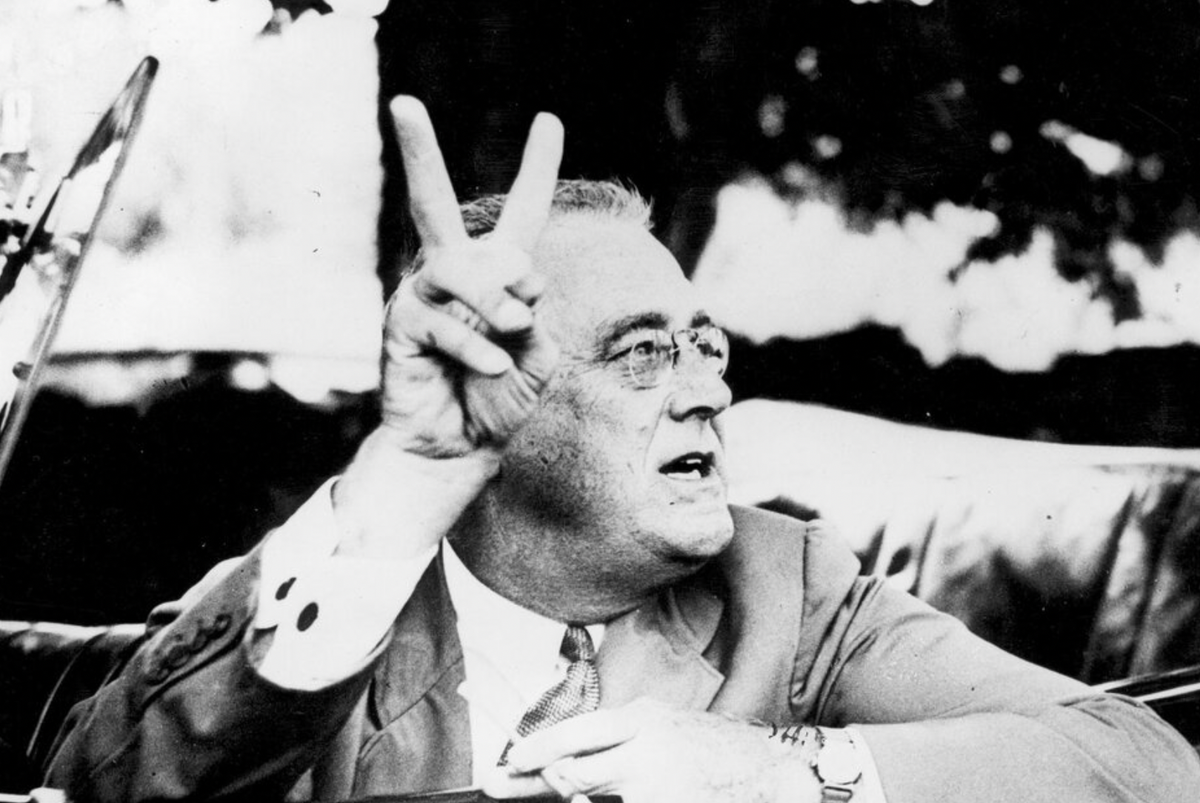
Even within Congress, the presence of a few radical figures like Senator Huey Long of Louisiana prompted liberal leaders like Franklin Roosevelt to take bigger swings and secure bigger wins. FDR was certainly wary of Long. Privately, he called him one of the most dangerous men in America; but publicly, he knew it would be more effective to steal his thunder by copying Long's rhetoric and co-opting his support.
We can also consider the successes of the Great Society a generation later. Lyndon Johnson cut his teeth in the New Deal era as a congressman, and it's no accident that he understood the dynamic relationship between liberals and leftists as well as his hero Roosevelt had.
Much like FDR, LBJ's greatest accomplishments were in many ways inspired and enabled by the left.
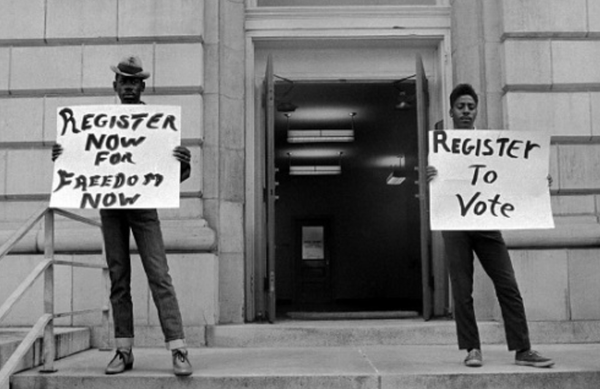
The socialist author Michael Harrington's The Other America set the stage for LBJ's War on Poverty by identifying a problem, raising awareness in the general public, and providing intellectual cover for politicians to act. More obviously, civil rights activists pushed the administration towards the triumphs of the Civil Rights Act of 1964 and the Voting Rights Act of 1965 through protests at the grassroots that mobilized public opinion and forced Congress to act.
(Notably, in between these two eras of Democratic "greatness," the party tried to follow David Brooks' bad advice by fighting the left, by purging their party of communists, socialists and "fellow travelers." All that accomplished was to confirm the conspiratorial charges of Red Scare Republicans like Joe McCarthy and confine the Democratic Party to a secondary role. Eisenhower won the White House twice and Republicans briefly broke the Democratic stranglehold on Congress as well.)
Look, if you're a liberal, you want leftists in the Democratic Party. They're not a threat to the party's success. They're an essential element.