Diversity Is Our Strength
This morning, Elon Musk – the world's richest man and a key ally to the president of the United States – posted the content below to the white nationalist chat room and CSAM emporium he owns
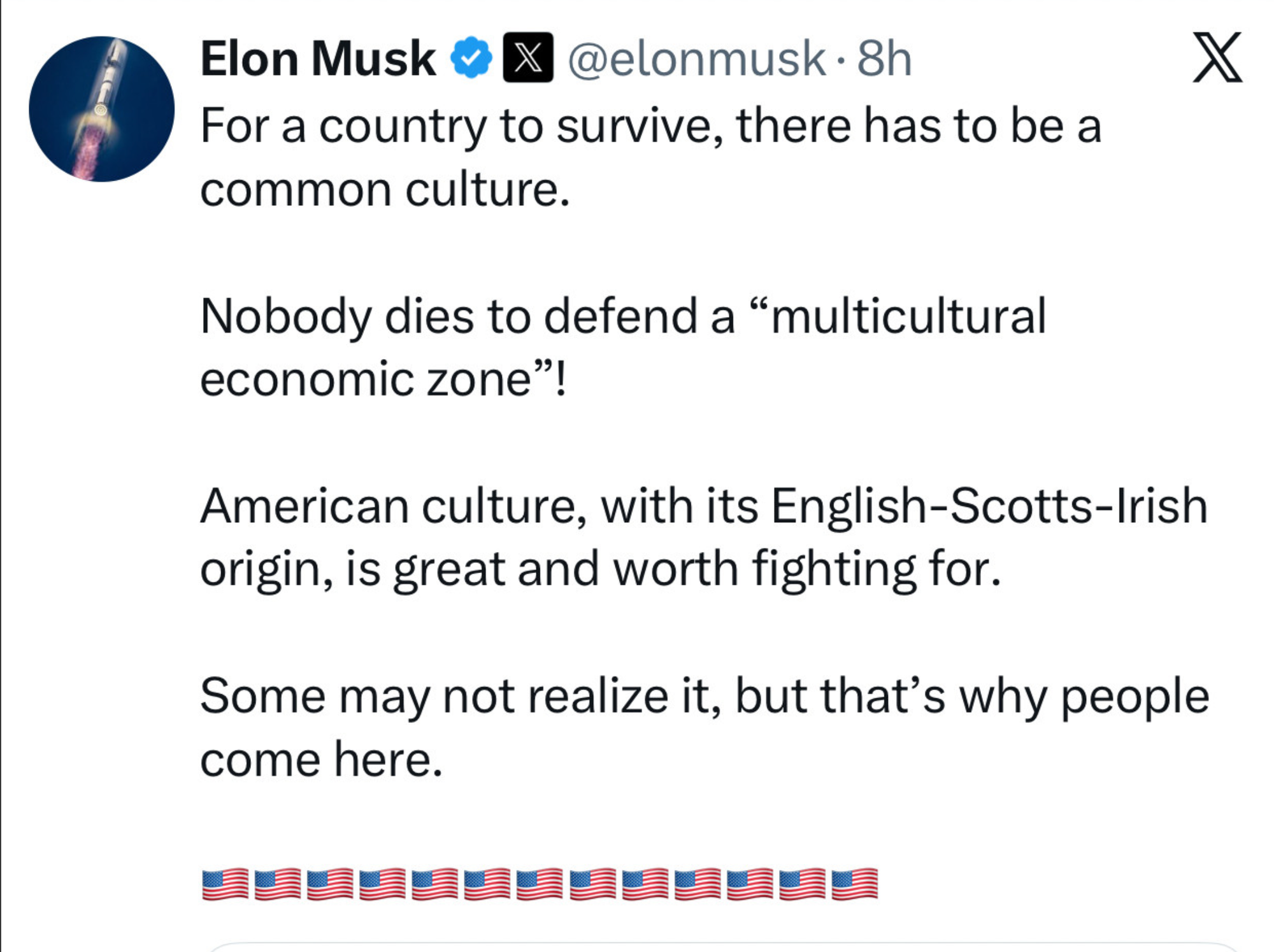
There's a lot here that's laughably dumb, even for someone as laughably dumb as the world's richest asshole – "Scotts" is a nice screwup, but the idea that the Irish were somehow a welcome part of the American origin story is hysterical – but I want to dig into the suggestion that a diverse nation is somehow inherently a weak nation, especially when it comes to war.
It's a dismal measure of our flawed world that someone so stupid as Elon Musk is so widely influential, but his wealth has given him incredible access to the Trump administration – which let him casually and incuriously inflict death on millions – and of course his partisan curation of the hellsite formerly known as Twitter helps warp the general political discourse too.
But it's not just him who's been spouting this garbage.
Secretary of Defense Pete Hegseth has repeatedly pressed this white nationalist nonsense as well. The former Fox News morning show host has treated his public sector job as an extension of his private sector one, beginning his term by firing the African American general who was chairman of the Joint Chiefs of Staff because he allegedly promoted diversity, making it a priority to get rid of programs he called "DEI," cutting celebrations of Black History Month and committing an array of other racist slights.
Just last week, he told an audience "I think the single dumbest phrase in military history is our diversity is our strength."
Elon Musk and Pete Hegseth, and many others like them in this racist regime, are arguing that "diversity" initiatives are a departure from the norms of American life in general and American military might in particular. But of course that's not true.
There's an extensive literature that tracks the ways in which concepts of diversity have stood at the heart of the United States of America from the founding. The founding generation believed in the ideal so much they put it on the Seal of the United States – "E Pluribus Unum," or "out of many, one." In our own time, the concept of the USA as a diverse "nation of immigrants" has been embraced by presidents from JFK to Reagan to George W. Bush.
Has the reality of America always lived up to these aspirations? Of course not. Racial discrimination and ethnic divisions have been present since the very start, with nativist hostility running right alongside celebrations of diversity. These two themes have been locked in an intractable struggle for centuries now. But it's important to remember that our leaders and our governments, regardless of their politics or party, have generally embraced the ideals of diversity and defended them from reactionary racists like Musk and Hegseth.
We only need to take a look at the propaganda posters that the USA employed during World War I and World War II to see that diversity was very much seen as a strength by American leaders in those conflicts.
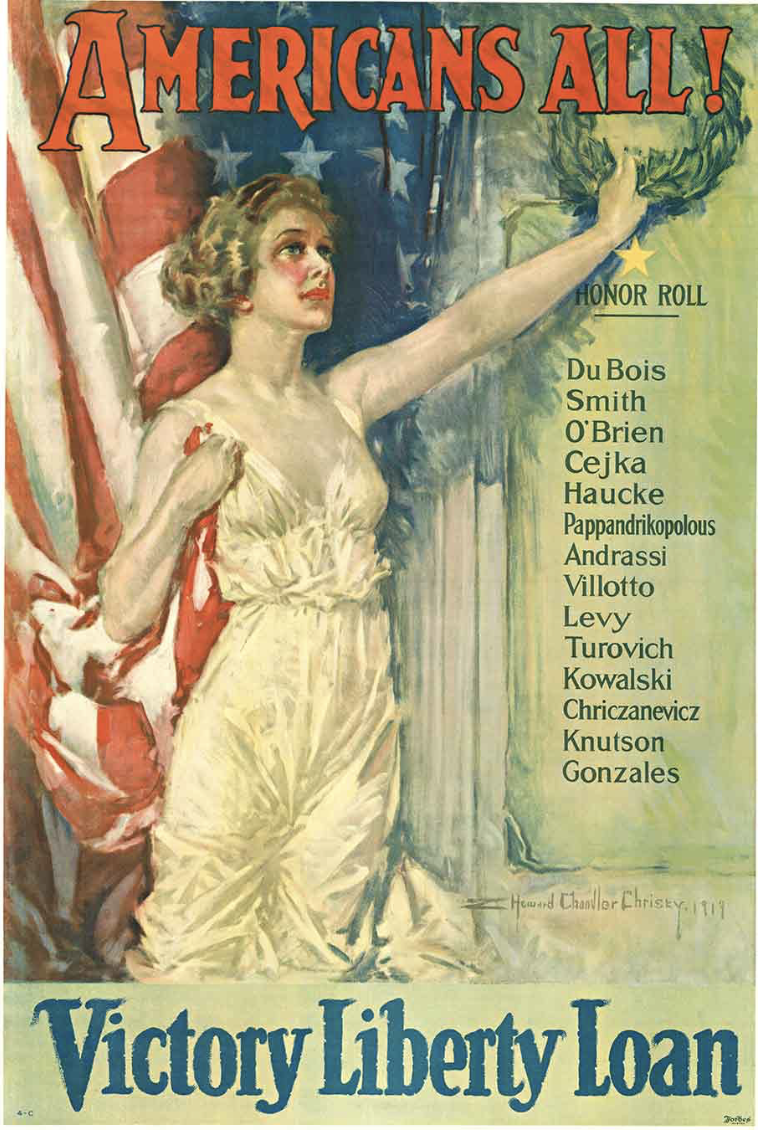
There were, to be sure, grumblings from nativists about the "immigrant traitors" in their midst during World War I, but those who spearheaded American involvement in the conflict understood that immigrants played a significant role in the U.S. war effort.
Immigrant soldiers, for instance, made up about a full sixth of the U.S. Army forces during the conflict. The War Department (as it was actually known back then) knew incorporating these foreign-born soldiers was so important to their work that it launched the Foreign-Speaking Soldier Sub-Section (FSS). As Nancy Gentile Ford notes in her work, the FSS notably did not try to "Americanize" these immigrants by forcing them to speak English and adopt WASP values; instead it respected their languages and cultures in what we would inevitably call an act of multiculturalism today.
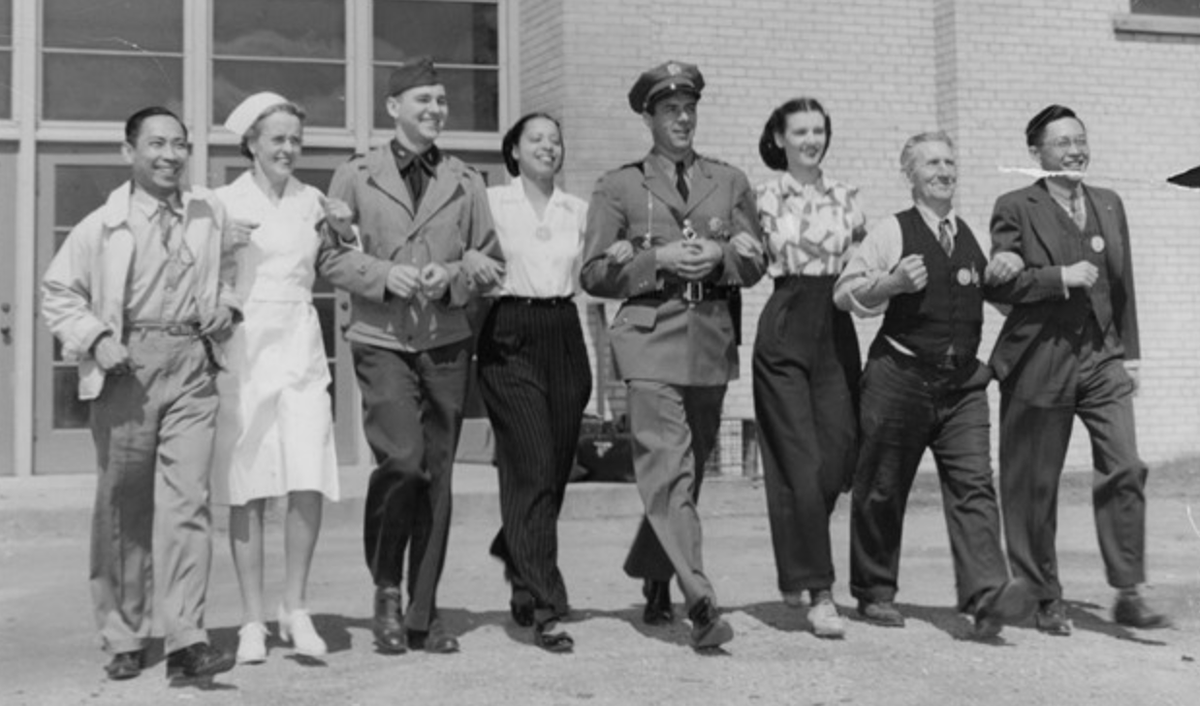
And as that image above notes, America's diverse demographics were celebrated in efforts to get its people to back the war on the homefront as well.
The leaders who helped America win in WWI knew that diversity was our strength.
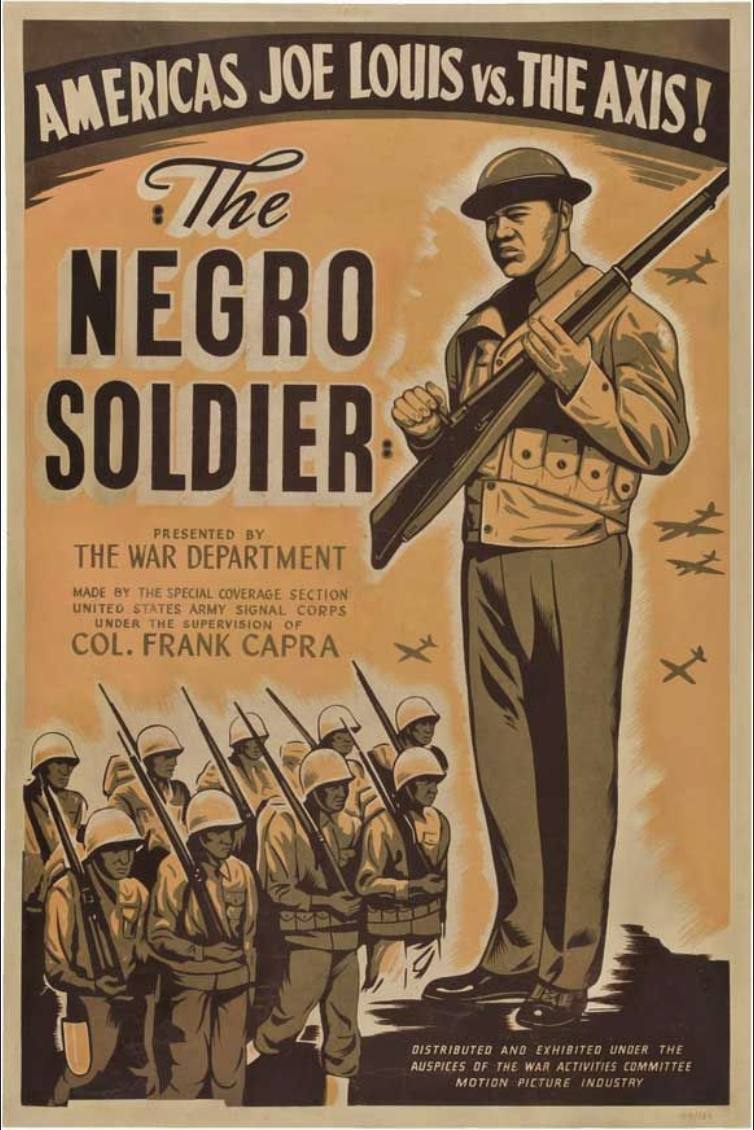
They still felt that way in the next conflict. Yes, the Army remained racially segregated by units, but African Americans still accounted for about 10% of the armed forces, Japanese Americans made their mark in heavily decorated units, and the ethnic diversity of most American platoons and companies was so pronounced it became a constant trope in films about the era.
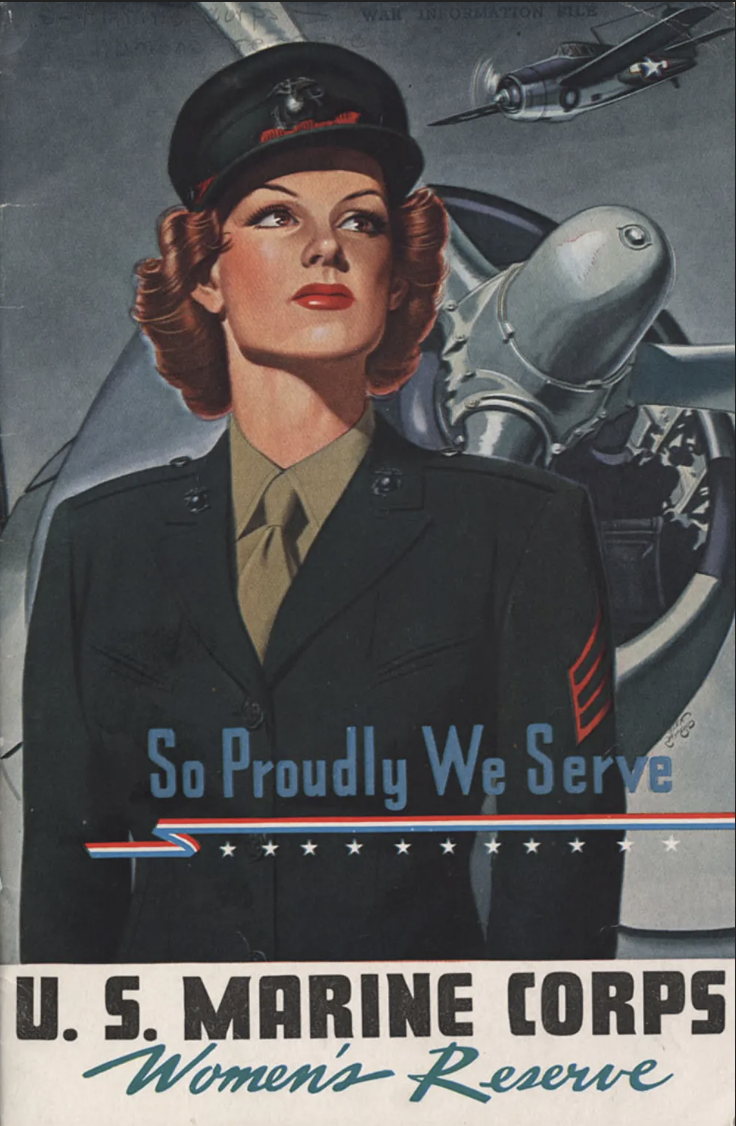
Again, just look at the propaganda from the war – if it's not exactly an accurate depiction of how things really were during the war, it's a very accurate take on how Americans imagined themselves to be during the war, and a very good read on what motivated them to support the effort at home and abroad.
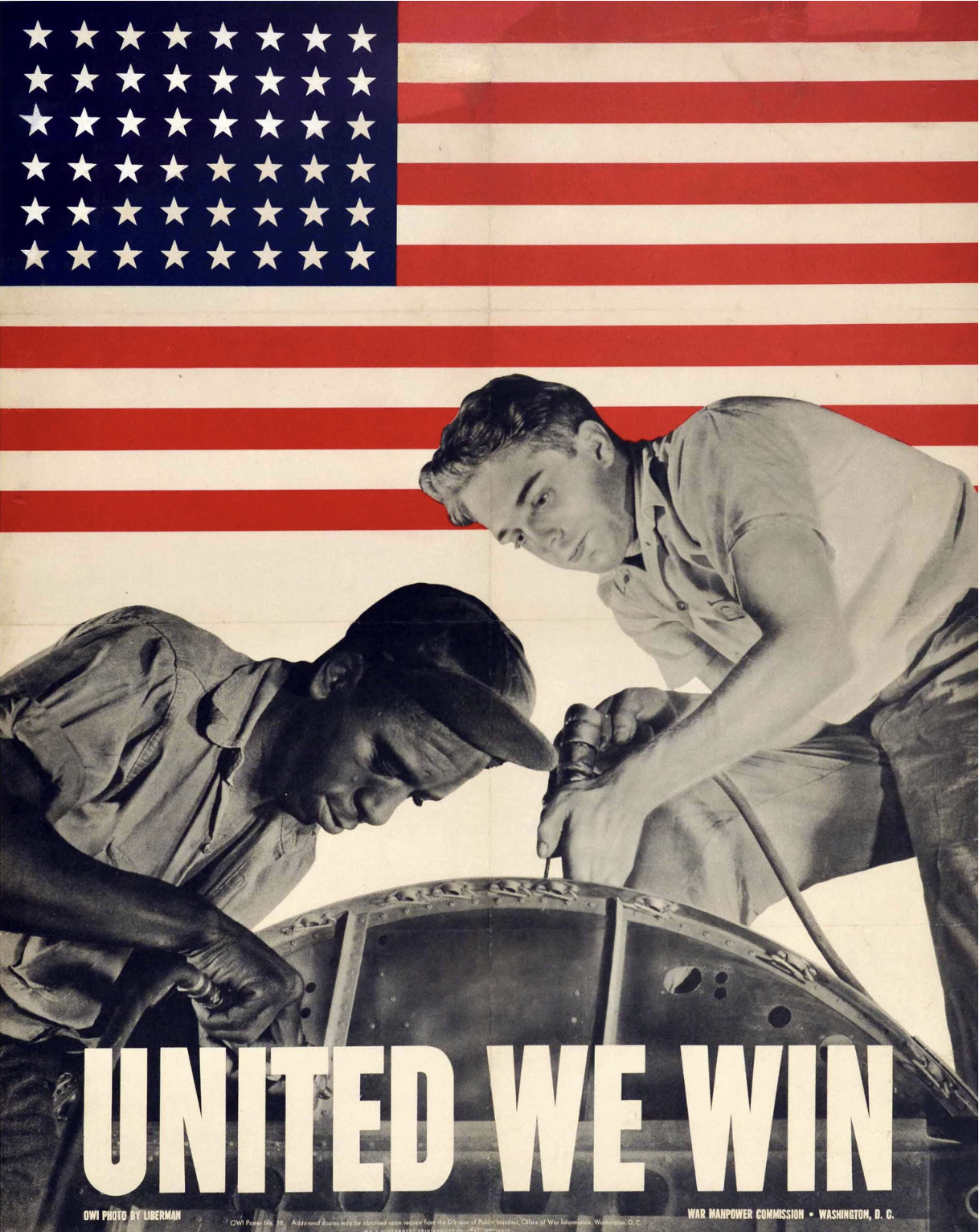
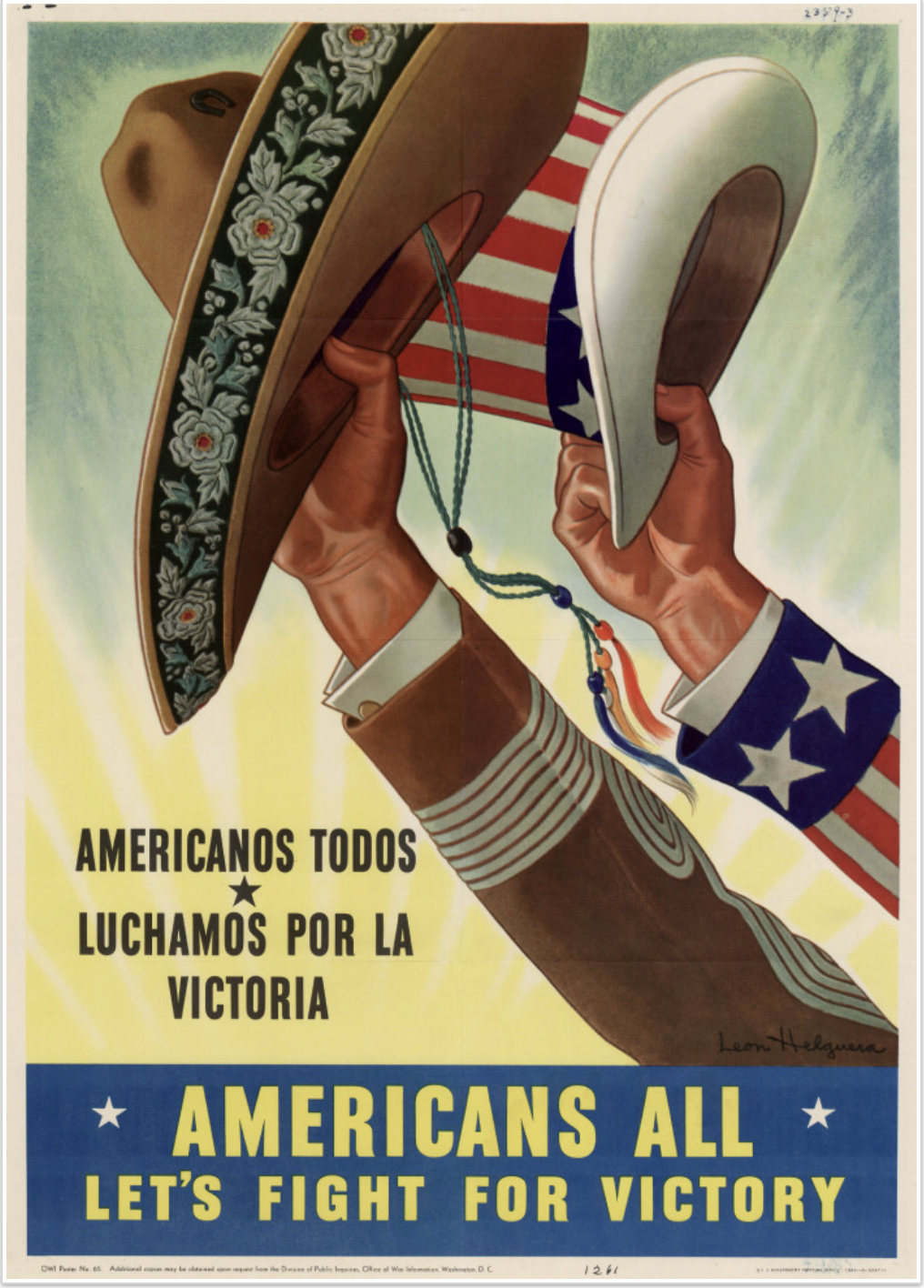
Even more than the WWI effort, American propaganda during WWII leaned into the idea that diversity – not just in terms of white ethnics, but all races and both genders too – was an asset to be exploited, not a deficit to be overcome.
I could go on for a while here, but I think the point is clear.
When Musk and Hegseth argue that a racially diverse nation is inherently weak, they're not returning us to some long-established American tradition from which we've recently strayed. They are, instead, parroting the exact same propaganda that Nazi Germany promoted against America during World War II.
For just one example, read this analysis the Nazis made of the American population in 1942, where they confidently concluded that America's diversity would be its undoing: "During a war, only a people can fight for its future, not a mere population that is racially, religiously, linguistically, ideologically, and governmentally disunified. Given all that has been said, the USA has no unified people, only a population."
I've noted before how Elon Musk's embrace of raw white nationalism, especially his promotion of the deeply racist "Great Replacement Theory," poses a dire threat to this nation. That conspiracy theory, of course, has been directly responsible for several mass murders in America and elsewhere, and Musk's continued connection to it practically guarantees that we'll see more death and destruction at home as a result.
But in a larger sense, Musk and Hegseth's attack on diversity in the military is even more alarming. Hegseth has forced out of top positions several well-qualified women and African Americans who, unlike him, had actually advanced through the ranks on their merits and not for political reasons. His racist obsession with rooting out "DEI" has cost the military experienced leaders and seasoned troops and surely left it less effective as a result.
Elon Musk and Pete Hegseth think that diversity will doom us. In reality, though, their racist paranoia and white nationalist conspiracy theories are the real threat.